
If you’re researching sustainable building materials, you’ve probably come across the term “LEED certified material.” While the phrase is commonly used, it’s not entirely accurate. Individual products aren’t actually LEED certified. Instead, certain materials can contribute toward LEED certification for an entire building project.
For architects, designers, builders, and homeowners looking for environmentally responsible materials, understanding how LEED works can help guide smarter product selections. Recycled glass countertops, for example, offer an attractive combination of sustainability, durability, and design while supporting green building goals.
What Is LEED?
LEED (Leadership in Energy and Environmental Design) is the world’s leading green building certification program, developed by the U.S. Green Building Council (USGBC). Rather than evaluating individual products, LEED measures the overall sustainability of a building based on factors such as energy efficiency, water conservation, indoor environmental quality, and material selection.
Projects earn points across several categories, including Materials & Resources, and depending on the total score, can achieve Certified, Silver, Gold, or Platinum status.
Can a Product Be LEED Certified?
No. This is one of the biggest misconceptions surrounding LEED.
Products themselves do not receive LEED certification. Instead, manufacturers provide documentation showing how their products may contribute toward LEED credits. These contributions often relate to recycled content, responsible sourcing, material transparency, or low-emitting materials.
Choosing sustainable building materials can help project teams earn valuable LEED points while creating healthier, more environmentally responsible spaces.
How Recycled Glass Countertops Support Sustainable Building
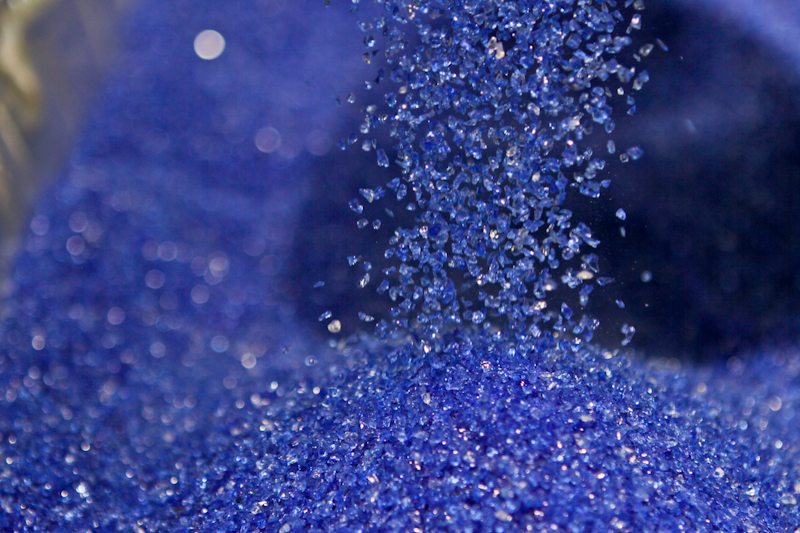
Among today’s eco-friendly countertops, recycled glass countertops have become a popular choice for both residential and commercial projects.
By incorporating recycled materials that would otherwise end up in landfills, these surfaces help conserve natural resources while creating beautiful, durable countertops. Many recycled glass countertop manufacturers also provide environmental documentation that can support LEED projects.
Here are three leading recycled glass countertop brands that contribute to sustainable building initiatives.
IceStone
IceStone has long been recognized as a leader in sustainable surface manufacturing. Made from recycled glass, Portland cement, and non-toxic pigments, IceStone contains approximately 75% recycled content by weight.
For qualifying projects, IceStone may contribute toward LEED credits through Building Product Disclosure & Optimization – Sourcing of Raw Materials and Building Product Disclosure & Optimization – Material Ingredients. IceStone also publishes a Health Product Declaration (HPD), providing transparent information about its material ingredients.
Beyond its environmental benefits, IceStone offers durable, one-of-a-kind recycled glass countertops that are suitable for kitchens, bathrooms, commercial spaces, and other interior applications.
Vetrazzo
Vetrazzo transforms reclaimed glass into distinctive countertop surfaces, with many colors incorporating exceptionally high levels of recycled glass from both pre-consumer and post-consumer sources. Select collections also feature recycled oyster shells or reclaimed marble byproducts, further reducing waste.
Vetrazzo may contribute toward LEED projects through recycled material content, responsible sourcing, and sustainable manufacturing practices. The company’s Recycle Vetrazzo® Program also helps divert countertop waste from landfills by encouraging recycling and repurposing of leftover material.
Each slab features its own unique mix of recycled glass, creating surfaces that are both environmentally responsible and visually distinctive.
SpectrumStone
SpectrumStone is another sustainable countertop option that incorporates recycled glass into attractive, durable surfaces. Its recycled material content and low-emitting materials can help support qualifying LEED projects, depending on the rating system being used.
For homeowners and commercial designers seeking green building materials, SpectrumStone offers another environmentally conscious choice that combines performance with sustainable manufacturing practices.
Why Choose Recycled Glass Countertops?
Whether you’re pursuing LEED certification or simply looking for more sustainable materials, recycled glass countertops offer several advantages:
- Help divert recycled glass from landfills
- Reduce demand for virgin raw materials
- Provide long-lasting durability
- Create unique, one-of-a-kind designs
- Support environmentally responsible building practices
As demand for sustainable countertops and eco-friendly countertops continues to grow, recycled glass surfaces remain an excellent option for projects that prioritize both design and environmental responsibility.
The Bottom Line
While there is technically no such thing as a LEED certified material, many products can help projects earn valuable LEED credits. By choosing sustainable building materials with recycled content and environmental documentation, project teams can support greener, healthier buildings.
Brands like IceStone, Vetrazzo, and SpectrumStone demonstrate how recycled glass countertops combine exceptional design with environmentally responsible manufacturing. Whether you’re designing a commercial space or remodeling your home, these surfaces offer a beautiful way to support sustainable building practices while reducing environmental impact.
| IceStone Recycled Glass Countertops and Surfaces are the most sustainable, eco-friendly countertop surface in the world. Made from 100% recycled glass and cement. |